A good creative brief should convey the message and emotions of a story through a collection of visuals. On filming day, this will serve as your set of guidelines or map.
At Artlist, we see the creative brief as the road map for filming our stories; they help us capture the story while staying aligned with the look and feel of the end result.
Step 1: Come up with an idea and do your research
- Subject: Choose a subject or topic you're interested in and curious to create content about.
- Story trigger: You should ask yourself the following questions: Why did you choose this topic? Is it a current event or a trending topic? Is it a popular topic?
- Users: Always remember to ask yourself: Who will use the footage? What kind of uses can the footage have?
Step 2: Break down your chosen topic to create your brief
- Logline: A logline is a one or two-sentence summary of your script. It conveys the premise but also adds an emotional aspect that hooks the reader. It includes the main character, set-up, and central conflict in a concise way.
- Divide up the different scenes (=Artlist stories). For example, if you're shooting a day in the life of a businesswoman, plan scenes of her in a café, in a meeting, sitting at her desk, etc.
- Mood board: Define the visual tone and style by creating a mood board that conveys the look and feel of your shoot.
- References: Before shooting day, find the most powerful shots to reference. Look for shots that inspire you and drive you to make ambitious plans rather than generic references.
What draws you to the references you chose? Is it the lighting? The composition? What emotions do they convey? Understanding what it is about the references that you like will help you capture the moments accurately. Where to find references: References can be found in videos, image search platforms, social media, films, commercials, music videos, etc. - Shot list: A shot list is a strategic document that lists all the shots on a specific shooting day. It's the visual translation and tone of the project. It can help you communicate your vision with your crew and break down the production.
- Storyboard: You can use free storyboarding software or drawings, sketches, reference images, and photographs to represent each frame – whatever helps you visualize and structure your story.
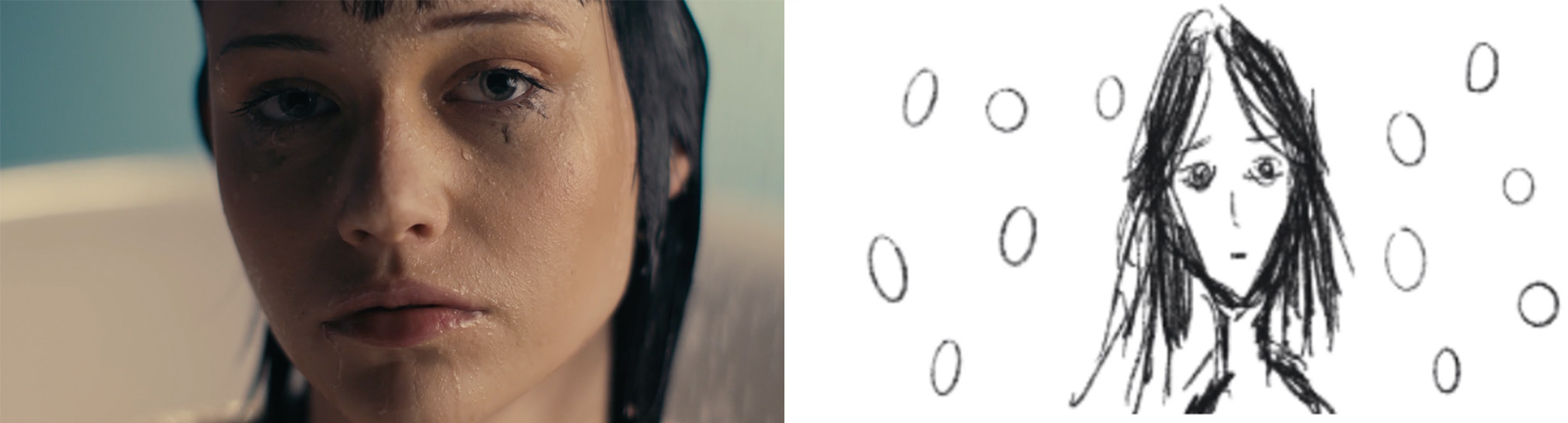
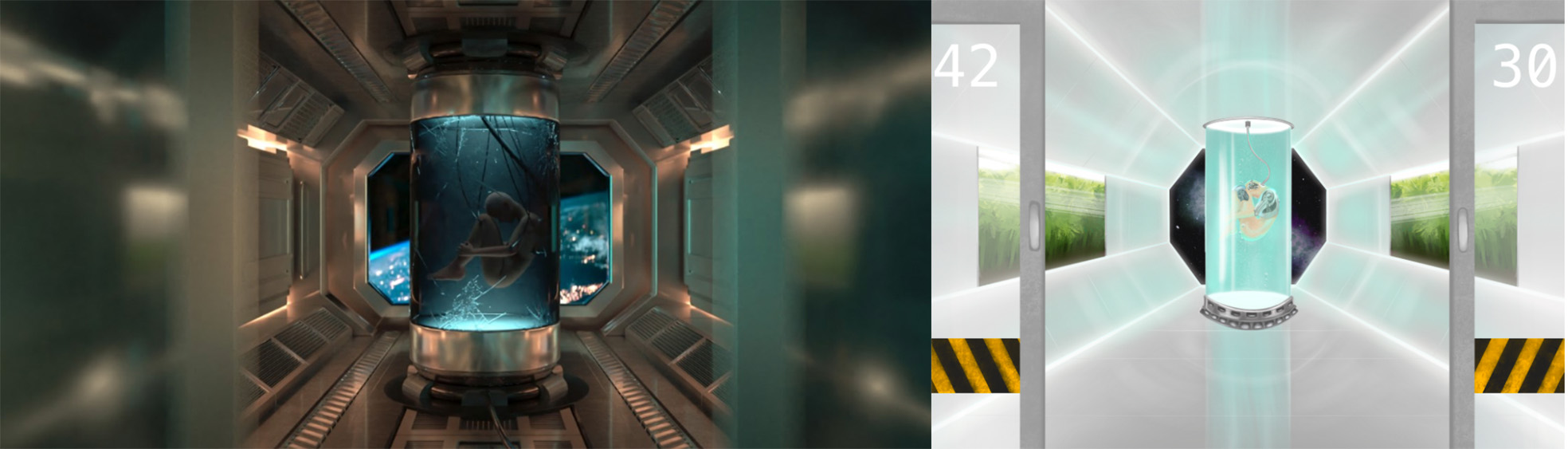
7. Money shot: Your money shot is the most powerful image in your shooting day, both in terms of visuals and content.
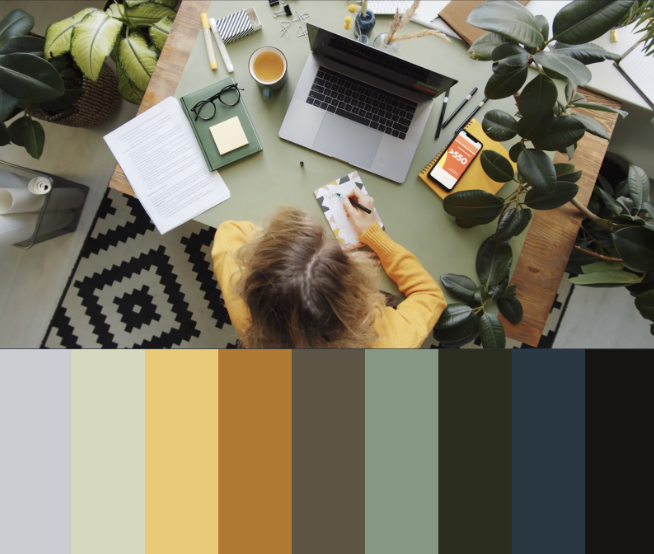
8. Art: Define the color palette in advance and ensure everything aligns to it, whether you're working alone or with a crew. All departments/areas should adhere to your color scheme, including dressing, set design, props, etc.
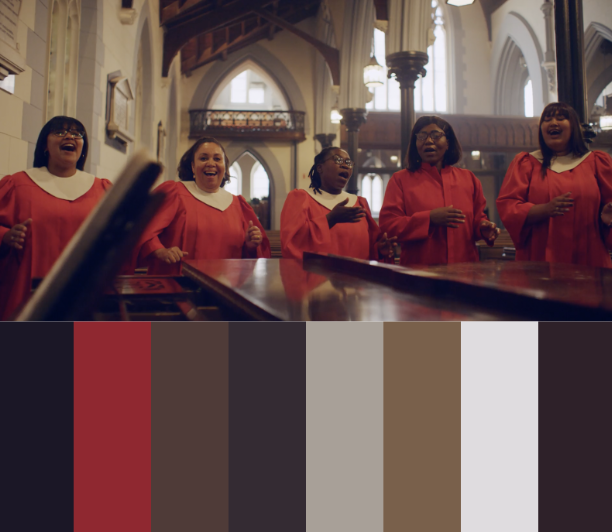
9. Lighting: Lighting is fundamental to film because it creates a visual mood, atmosphere, and sense of meaning for the audience. It's essential for the narrative and for leading the viewer's eyes to a specific point.
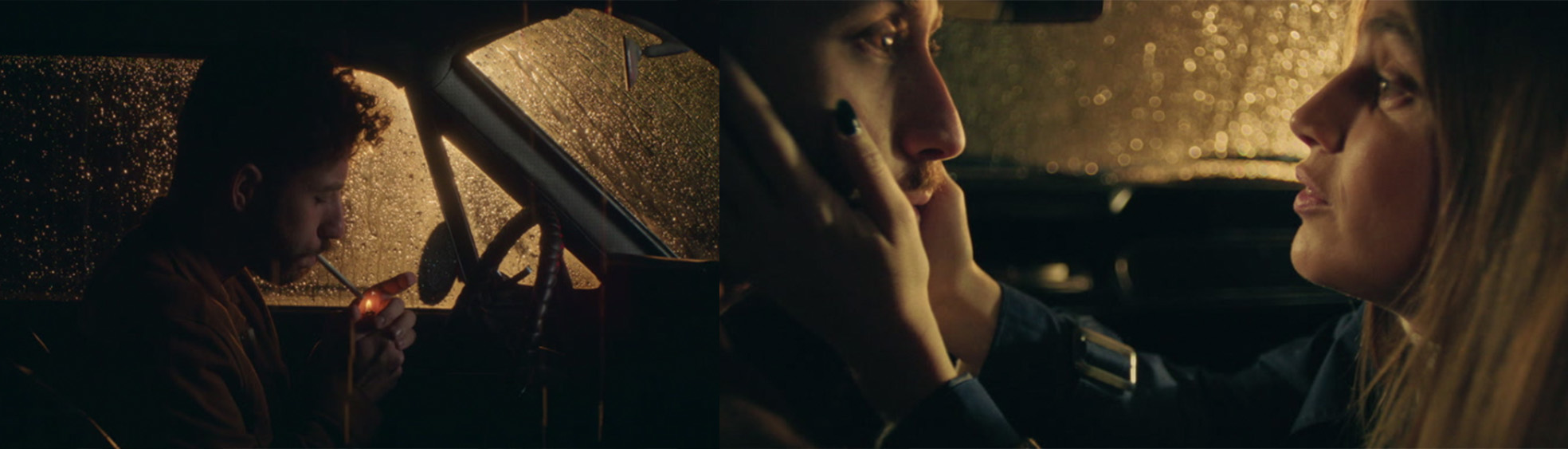

10. Location: Think about what kind of location would help your narrative. Choosing a nice place will give you a better idea of how it might look on camera.
11. Casting: In addition to making the final image and project look better, casting the right "talent" for the project will make the shoot run more smoothly.
12. Equipment list: Make sure your equipment covers your brief's technical requirements.