- Create diverse shots
- Match your shooting style to the type of content you're shooting. For example, if you're filming extreme sports, you might want to use a shaky handheld camera, wide lens, or fisheye.
- Shoot a variety of angles so that the users can edit the entire scene.
- Identify your key shots
- Create a list of your "key shots" of the day. The key shots are those that tell the user what the story is about, even without knowing the title of the story.
- Plan in advance what the "dominant" of your shot will be (meaning the object that the eyes first see when viewing a particular shot). Make sure to lead the eye towards your shot's main subject, isolating it and checking that there isn't too much disruption in the background.
- Optimize your lighting
Lighting setups and suggestions within a limited budget:
- Learning to work with natural light can be a very effective tool and can save you time and money, helping you achieve outstanding results on a budget.
- Consider using a sun direction app to control your scene's natural lighting.
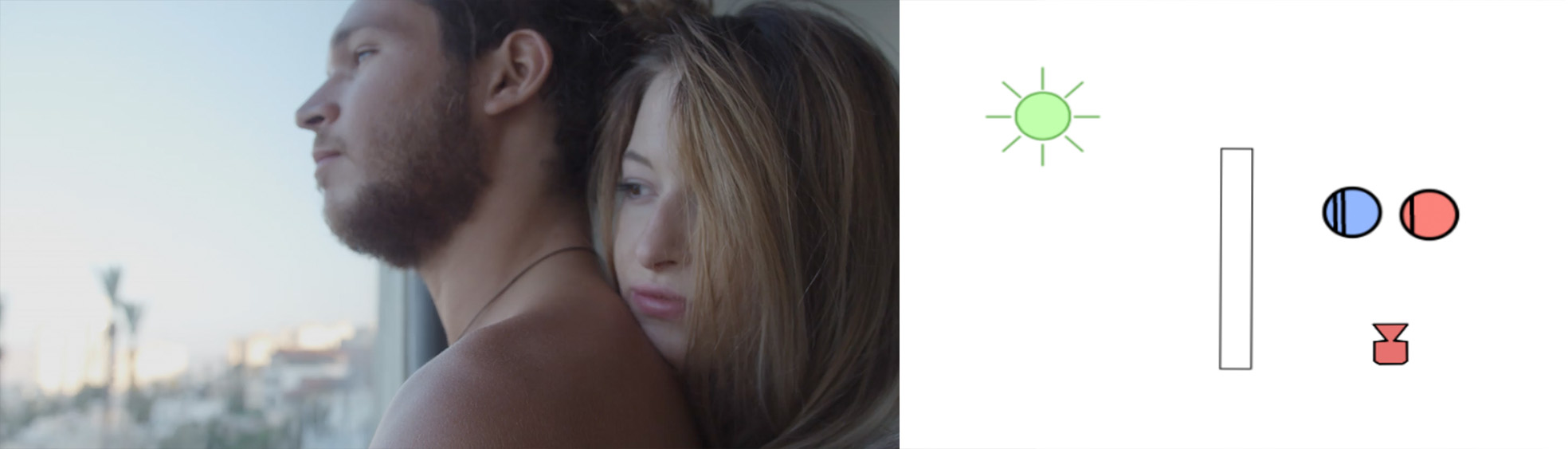
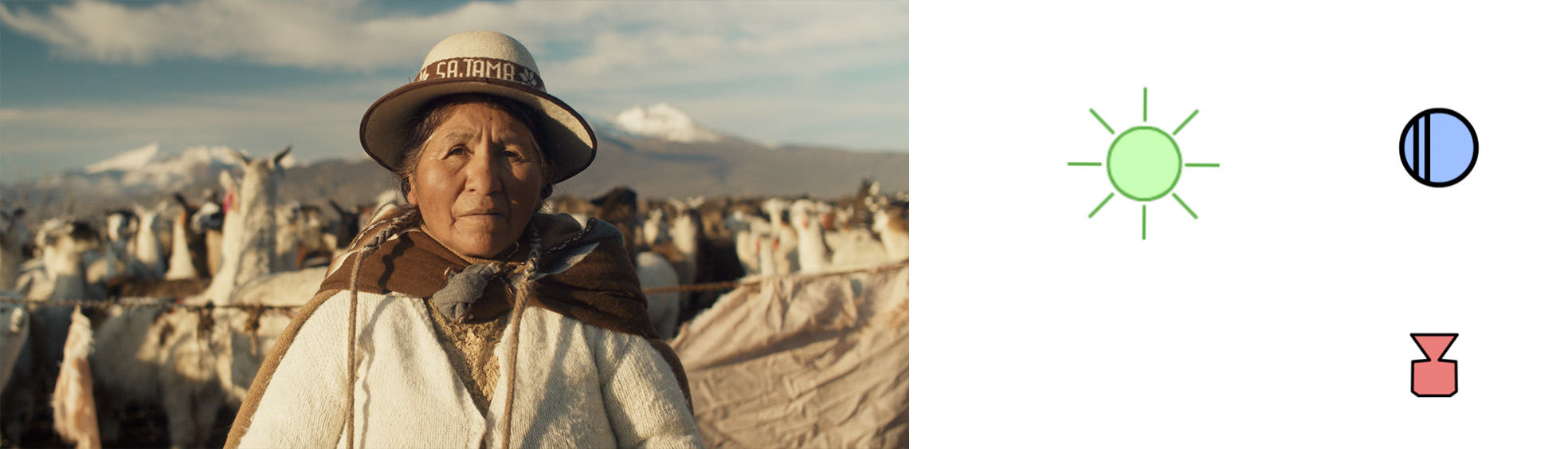
- Improve your production value with practical techniques
During the shooting day, try combining different techniques to improve your story and give users more options. Some ideas:
- Macro: Taking videos of tiny things is something that you can do without a big budget, and the results can be impressive.
- Detail shots: A close-up of an object can bring an interesting POV and extra information to your story.
- Super-slow motion: Capturing moments the human eye can't usually see always gives users an exciting perspective.
- Silhouette: Shots where we don't recognize a character can be a great way to give the user material that can be used for various projects and purposes.
- Convey a wide range of emotions
When planning your shoot, consider how you can show a mix of emotions. This way, the user can select the one that suits their needs best.
- Shoot different scenarios
Think about how you can use your subjects and settings to create different scenarios and stories. For example, if you're filming a couple in a cafe, you can capture them arguing in one scene and laughing in another.
- Enhance your story with the right gear
- Focal lengths: have a range of lenses with you on set, from wide to narrow focal range
- Reflector: helps you bounce natural light around the set
- Black gobo: an object that controls the direction of a light source to control the shape of the emitted light and its shadow
- Colored gels: provide texture and add variation to the highlights
- Tungsten Edison light bulbs: provide a warm light or a bokeh background
- Haze machine: brings depth and texture to the scene
- Christmas lights
- Be spontaneous
Stay open to finding unplanned moments. Look for those magical moments.